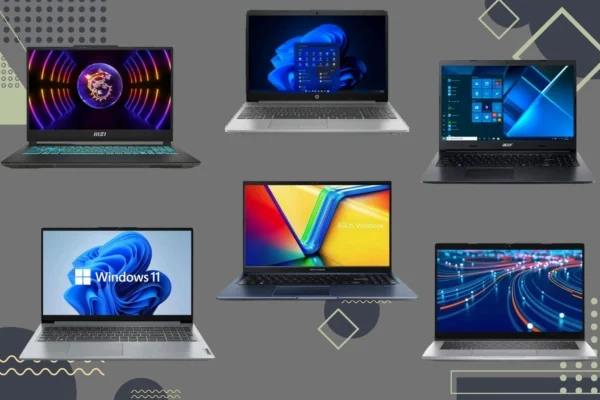
Affordable Laptops on Credit Easy Financing Options
Paying the full cost of a laptop upfront is not always practical, particularly when the computer is needed unexpectedly for work, studying or everyday use.
There are several ways to spread or manage the cost of a laptop, but they do not all work in the same way. A credit card, for example, is a credit facility provided by your bank, while Buy Now Pay Later services divide a purchase into scheduled payments according to their own terms.
Before choosing either option, it is worth looking at the total price of the laptop, the amount due upfront, the repayment dates and what happens if a payment is missed.
The laptop itself should come first. If you are still working out what specifications fit your budget, looking through the current notebook range can give you a useful idea of how prices change with different processors, memory capacities and screen sizes.
What Does Buying a Laptop on Credit Mean?
The phrase “laptop on credit” is often used quite broadly. In practice, there are several different ways of paying for a laptop without necessarily settling the entire cost from your available cash at once.
Using a Credit Card
A credit card allows you to make the purchase using the credit facility provided by your bank.
How the balance is then repaid, and whether interest is charged, depends on the agreement you have with your card provider. Paying only part of the balance over time can ultimately make the laptop cost more than its original purchase price.
Using Buy Now Pay Later
Buy Now Pay Later works differently. Instead of creating a revolving credit-card balance, the purchase is divided into a defined series of payments.
The first payment is normally made when the order is placed, with the remaining instalments collected according to the selected payment schedule.
Paying in Full
EFT, debit card or another once-off payment method remains the simplest option when you already have the full amount available and do not need to spread the cost.
None of these methods is automatically best for everyone. What matters is understanding the terms and choosing an option that fits comfortably within your existing budget.
Before Choosing a Payment Plan
Start with the full purchase price rather than the instalment amount.
A smaller payment shown at checkout can make a more expensive laptop appear affordable, but the specification should still make sense for what you actually need.
Before committing, check:
The full price of the laptop
How much is payable immediately
How many payments follow
When those payments are due
Whether interest or other charges apply
What happens if a payment is late
Whether you can make the repayments comfortably without relying on future credit
This makes it easier to compare payment options without losing sight of the actual cost of the computer.
Choose the Laptop Before the Payment Method
It is easy to focus on what a laptop will cost per instalment, but the more important question is whether the machine will do what you need it to do.
A R10,000 laptop divided into several payments is still a R10,000 laptop. Likewise, choosing a significantly more expensive machine simply because the repayment looks manageable can defeat the purpose of setting a budget.
Start by identifying the type of work you will be doing.
The purpose of comparing several machines is not necessarily to choose the cheapest one. It is to find the lowest-priced option that still meets the requirements you actually have.
Ways to Spread the Cost of a Laptop
Different payment methods have different rules, so it helps to separate them rather than treating every instalment purchase as the same type of finance.
Credit Card
When you use a credit card, the bank or card issuer provides the credit facility.
The laptop purchase appears on your card account, and repayment is governed by the terms of that account. Interest may be charged if the balance is not settled according to the applicable interest-free period or card agreement.
Credit limits, minimum monthly repayments and interest rates differ between card providers.
Payflex
Payflex is a Buy Now Pay Later service that can divide an eligible purchase into a fixed payment schedule. It’s much like PayJustNow.
Depending on the option available and approved for the customer, Payflex provides Pay in 2, Pay in 3 and Pay in 4 plans.
The first instalment is paid upfront. The remaining payments are then collected according to the selected schedule.
The instalments are interest-free when paid according to the agreed plan, but missed payments can result in default fees. It is therefore worth checking the repayment dates carefully before confirming the transaction.
Approval and the available spending amount are determined by Payflex.
If you want to understand what a purchase amount could look like when divided into instalments, the Payflex calculator provides a quick estimate.
EFT or Once-Off Card Payment
If the full amount is already available, EFT or a normal card payment avoids creating an ongoing repayment obligation.
Credit Card vs Buy Now Pay Later
Credit Card
Buy Now Pay Later
Who provides the payment facility?
Your bank/card issuer
The BNPL provider
Purchase paid upfront to retailer?
Yes
Yes, through the provider
Customer repays over time?
Depending on card balance and repayment
Yes, according to a defined schedule
Interest
Depends on card agreement and how the balance is repaid
Can be interest-free when the agreed schedule is followed
Late-payment consequences
Determined by card issuer
Provider terms and default fees may apply
Approval/limit
Based on existing card facility
Determined by BNPL provider
The important distinction is that the retailer supplies the laptop, while the bank or payment provider sets the conditions governing the payment arrangement.
Does Paying in Instalments Affect Delivery?
Once the payment has been successfully authorised, the way the laptop reaches you is generally separate from the instalment schedule.
Delivery time depends more on the availability of the specific product, where it is being shipped from and the delivery destination.
This is worth checking before placing an order if the laptop is needed urgently for work or studying. An item marked as available immediately can have a very different lead time from one that first needs to be obtained from a supplier.
Collection may also be available depending on the retailer and product.
What Happens if There Is a Problem With the Laptop?
The payment plan and the product itself are also separate matters.
Warranty, returns and faults are generally handled according to the retailer’s and manufacturer’s applicable policies, while questions about the instalment arrangement itself are handled by the payment provider.
Keep the order confirmation, proof of payment and warranty information in case they are needed later.
If a product has to be returned or refunded while an instalment plan is active, check how the payment provider handles the adjustment rather than simply stopping scheduled payments yourself.
Managing Laptop Repayments
Once a laptop has been purchased using a repayment plan, keep track of the scheduled dates rather than treating them as an afterthought.
Automatic deductions can make payments convenient, but there still needs to be enough money available when each instalment becomes due.
A simple way to assess a payment plan is to ask:
What is due today?
What will be due on each future payment date?
Will those payments overlap with rent, debit orders or other major expenses?
What happens if there is not enough money available?
Can the balance be settled early if circumstances change?
The instalment should fit into the budget you already have, rather than depending on money that may or may not be available later.
Is It Better to Pay Upfront or in Instalments?
There is no universal answer.
Paying upfront is straightforward and leaves no future payment obligation. If the money is already available without affecting essential expenses or emergency savings, this may be the simplest approach.
An instalment plan can make sense when the laptop is needed now and spreading the purchase over a short period makes the expense easier to manage. A credit card can provide more flexibility over how the balance is repaid, but that flexibility can also result in interest if the balance remains outstanding.
The most useful comparison is therefore not simply “cash versus credit”. Consider the full price, repayment period, possible fees or interest, and whether the laptop itself represents good value for the work it needs to perform.
Final Thoughts
Financing can make the timing of a laptop purchase easier, but it should not determine which laptop you choose.
Start with a realistic budget and the specifications required for your work, studies or personal use. Once you know what type of machine you need, compare the payment methods available and read the terms before committing.
A good outcome is not simply getting a laptop immediately. It is getting a machine that does what you need while keeping the purchase and its repayments manageable.
Select the fields to be shown. Others will be hidden. Drag and drop to rearrange the order.